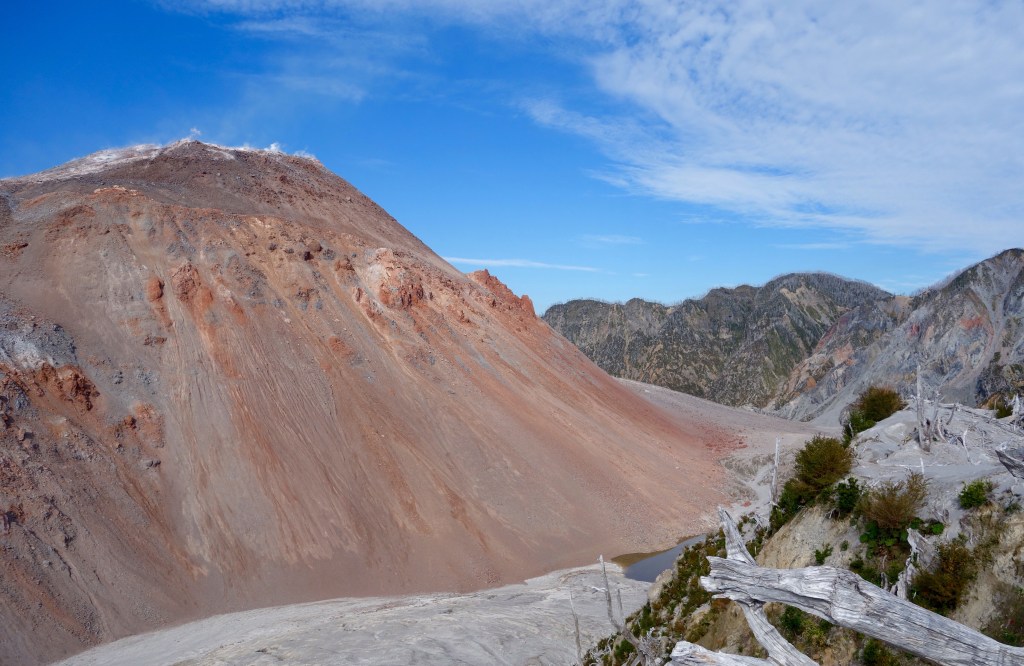
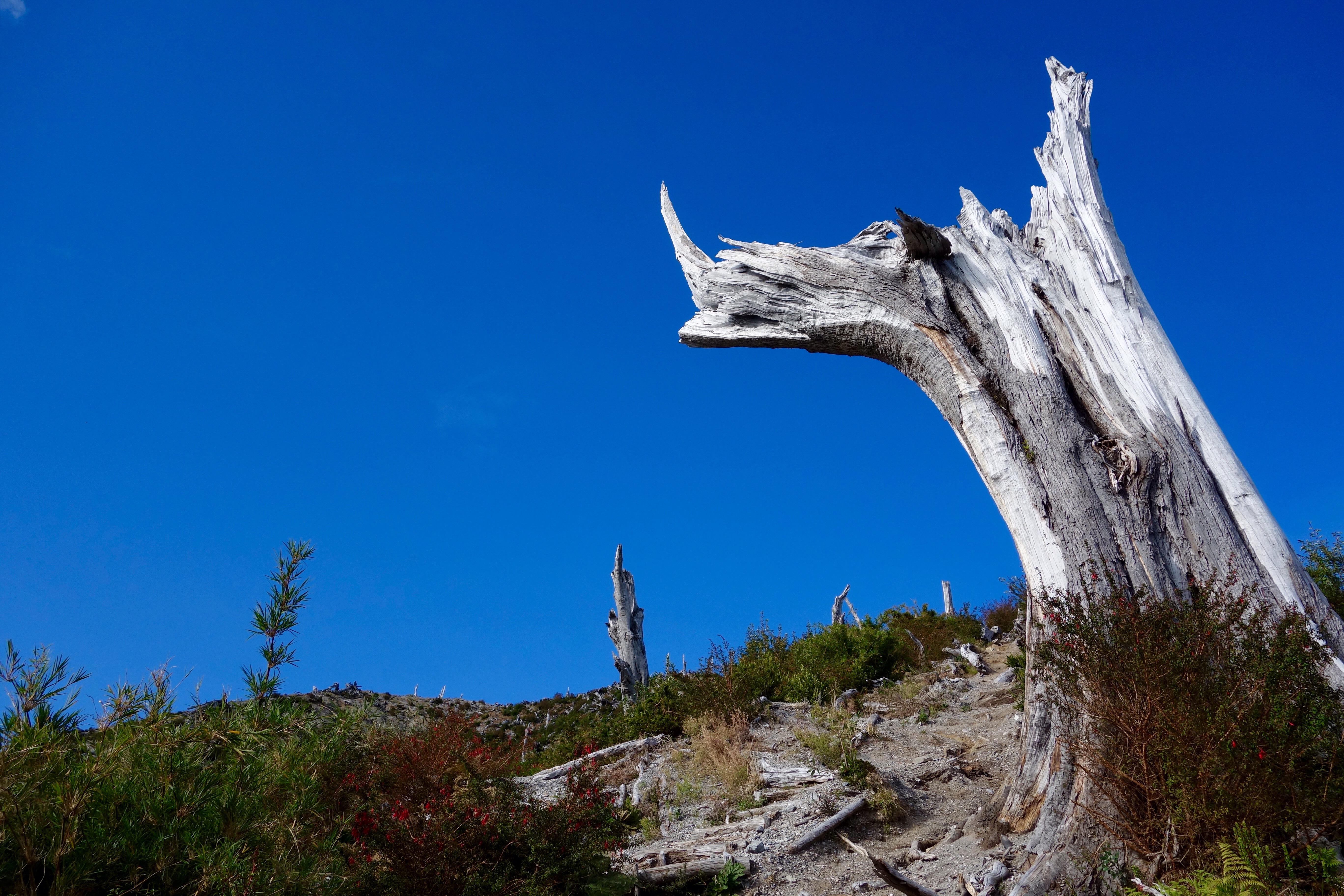
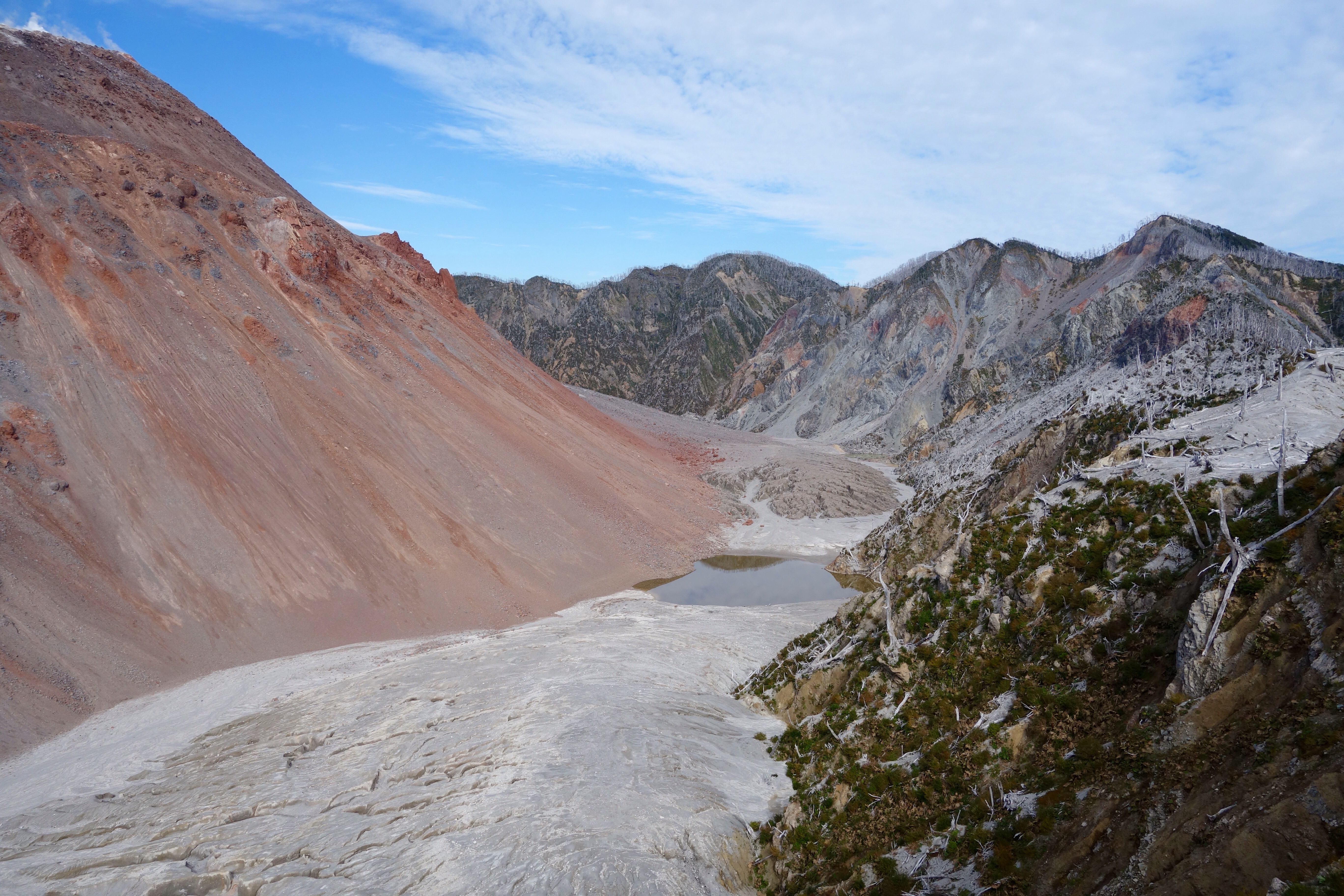
After reaching the bottom of the Pan-American highway in the nondescript town of Quellón, Chiloé (yes, a road extending from Alaska to Chile ends on an island…) I took a ferry to the small town of Chaitén back on the mainland. I planned on spending one day and ended up staying three. Chaitén is named after the resident volcano and in 2008, after 9,000 years of dormancy, the volcano erupted. In addition to spewing ash and gasses 31km (19mi) into the atmosphere, it caused a lahar (rapid melting of glacial ice) which caused a small river running through the town to become a much larger river about 400m wide. Almost instantly a significant portion of the town was washed out to sea. Evidence of the destruction and ongoing volcanic activity is well-apparent to this day. For geology nerds, the Chaitén eruption was also significant as the largest rhyolitic eruption in recorded history. Rhyolite is extremely viscous (it flows like toothpaste) and can form pumice (basically rock foam) and after complete degassing and rapid cooling, obsidian (rock glass). It is essentially the equivalent of volcanic granite in mineral composition.
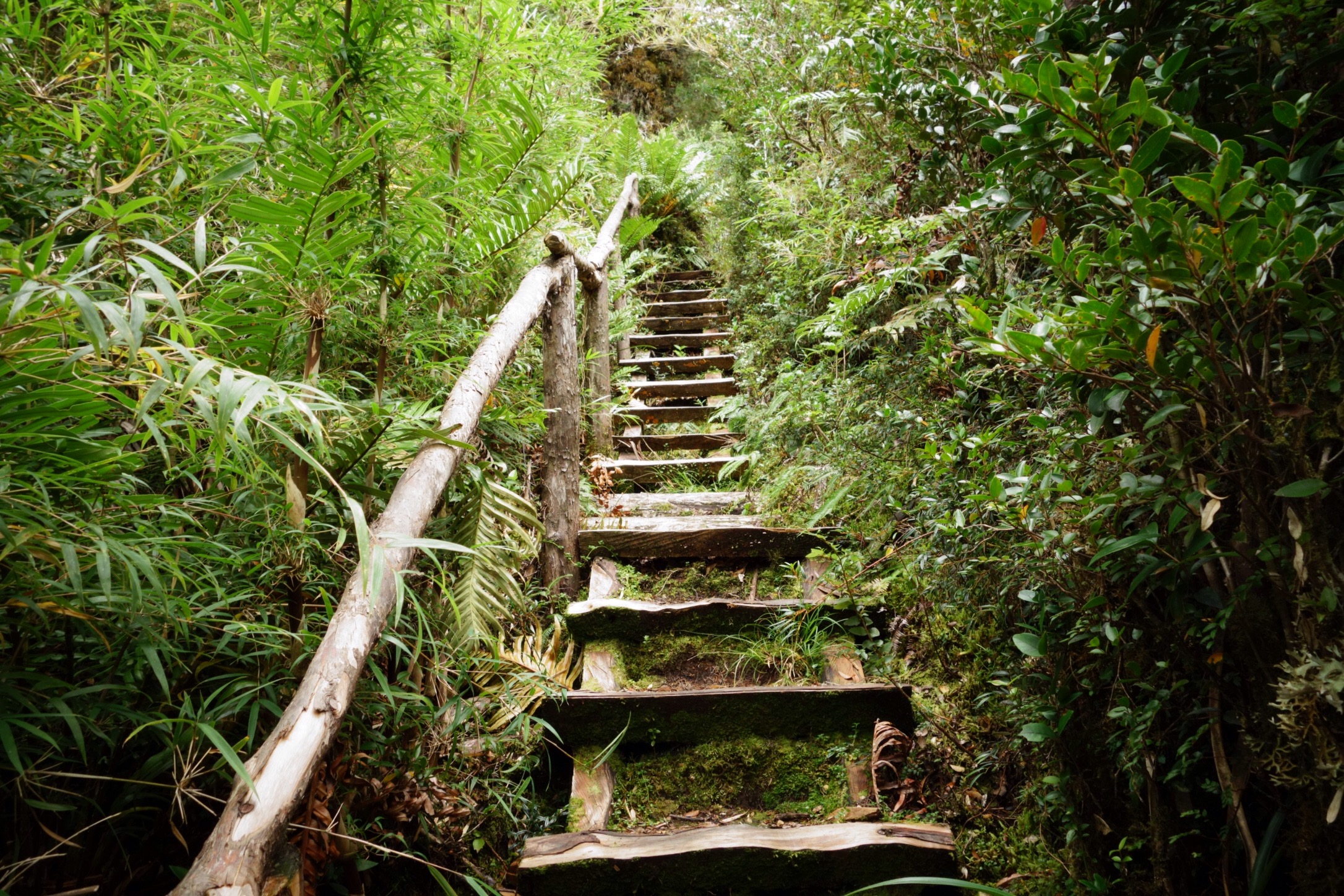
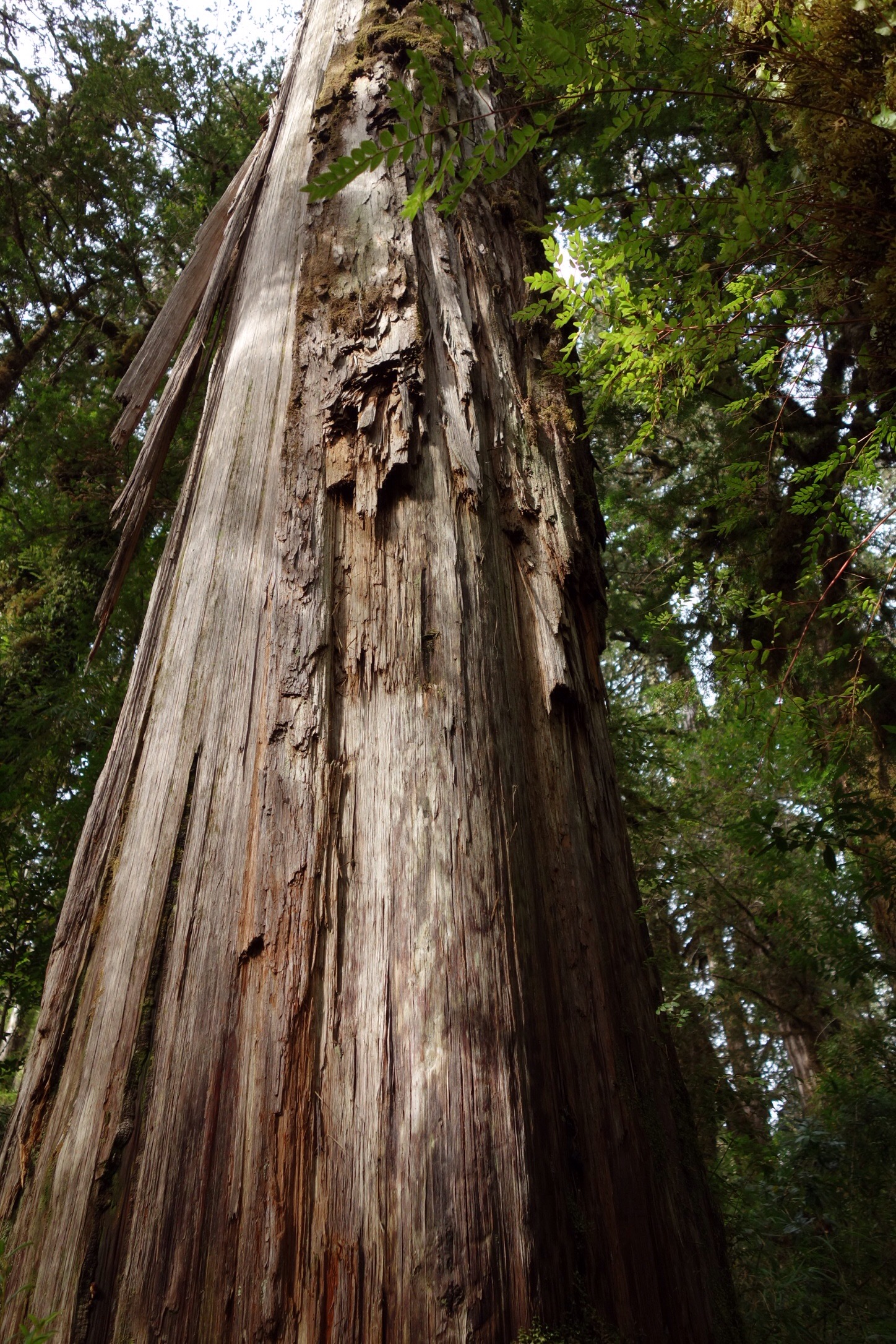
In addition to the volcano park, the town is located within an accessible distance of Pumalin Park and a few other extraordinary natural spectacles (including, but not limited to: glaciers, really big trees and many waterfalls). Utilizing a combination of buses and my newly acquired hitchhiking skills I was able to at least get a taste of what this verdant oceanic climate had to offer.








 potravels